Auto Repair Shop Equipment List: What to Buy First, by the Services You Sell
An automotive workshop equipment list for a general repair shop starts with a lift, an air compressor, a scan tool, floor jacks and stands, a transmission jack, a shop press and an oil drain. Everything else depends on the work you plan to bill. Buy for the services you will sell in week one, and confirm the building can carry the equipment before you order. Slab, ceiling, power and air cause the costly fit-out errors. A lift anchored to the wrong slab means drilling again or pouring new concrete, so put slab, power and air work into the equipment budget and costing checklist from the start.
Start with the services you will bill in week one
Your service mix decides what moves to the front of the list.
General repair (brakes, suspension, oil, exhaust, clutch work). The lift comes first, because most of these jobs run through it. Floor jacks, stands, a transmission jack, a press and a scan tool follow. A second vehicle on the floor while the lift is busy is extra billable work.
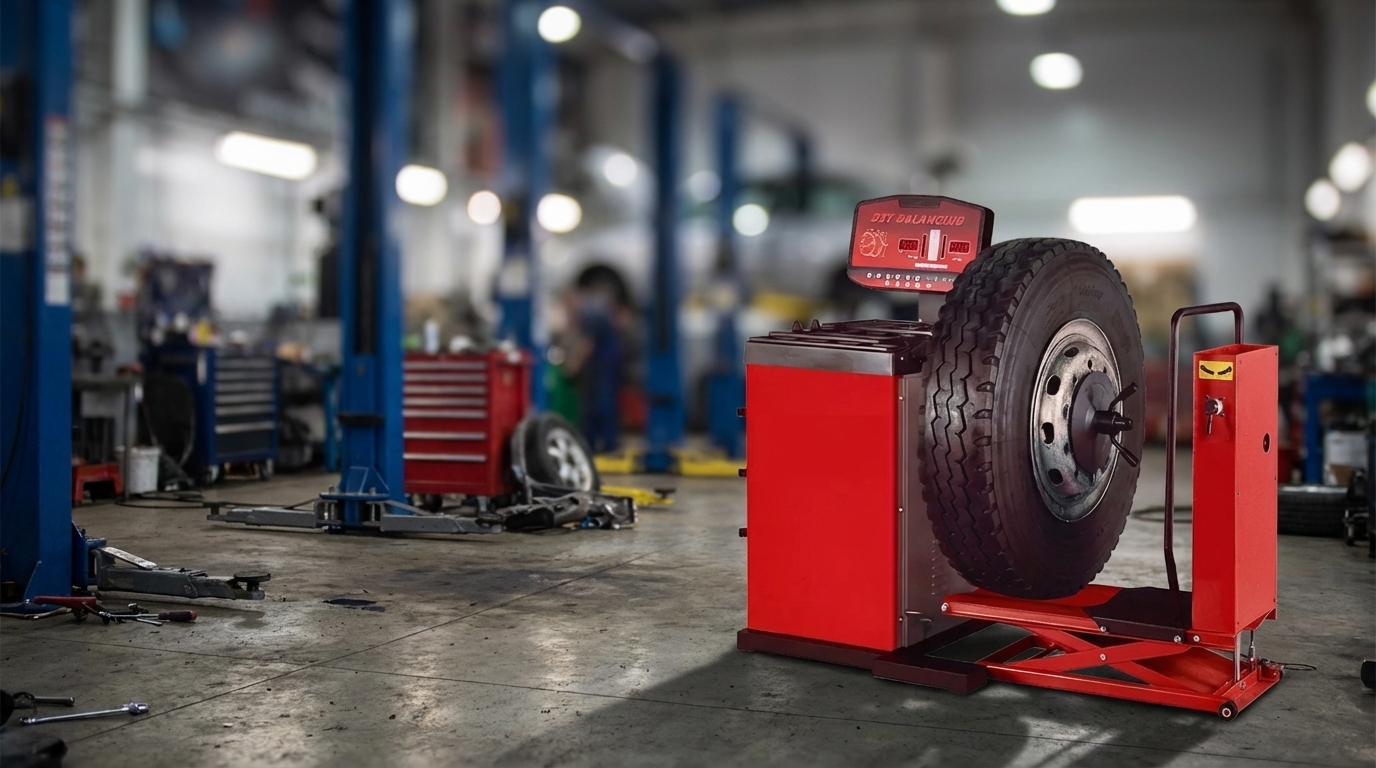
Tire-led shop. The tire changer and wheel balancer come first, bought as a pair. A mounted tire that is not balanced is not a finished job. Compressed-air capacity and floor space matter more than lift count, and a single lift bay can be enough.
Collision or specialty shop. Body and frame equipment shapes the building itself, from floor plan to power. Treat it as its own project, not as an add-on to a mechanical shop.
Fleet maintenance workshops sit between the first two. Vehicle weight and wheel size drive the specification, so heavy-duty lifting and tire equipment move forward.
The auto repair shop equipment list at a glance
Equipment
Phase (1 = week one, 2 = second service line, 3 = volume-gated)
The lift, compressor and tire equipment carry most of the building requirements. The scan tool, oil drain and spring compressor need none.
What to buy, in what order
Phase 1: lifting and vehicle support
The lift is the one purchase that is expensive to reverse. Once it is anchored to the slab, changing it means drilling again and sometimes breaking out concrete. A two-post lift suits general repair because it leaves wheels, brakes and the underbody open. Choose capacity for the heaviest vehicle you expect, and choose the base plate or clear floor style to suit your ceiling.
Floor jacks take a second car while the lift is occupied. The range runs from low-profile units for sports cars to heavy-duty models for SUVs and light trucks. Jack stands must be rated for the vehicle and carry the load, never the jack alone, and every technician should follow the same routine for how to use jack stands safely. A transmission jack supports and positions the gearbox for clutch and transmission jobs.
Phase 1: air, press and fluids
Air demand grows with every technician and tool. Size the compressor by the airflow of the tools that run at the same time, not by tank size, and plan dryer, filters and piping as one system. Typical consumption, to be confirmed on each tool’s data plate:
Impact wrench (1/2-inch): roughly 4–6 CFM at 90 psi in intermittent use.
Tire changer: roughly 3–5 CFM, drawn in short bursts at a higher working pressure.
Two technicians on impact wrenches plus a tire changer in use at once adds up to roughly 11–17 CFM. The compressor should deliver comfortably more than that at working pressure. A digital tire inflator is one more air consumer to count.
A shop press frees seized bearings, bushings and ball joints. An oil drainer handles oil changes. Low-clearance cars may need a low-position unit.
Phase 1: hand tools, power tools and workstations
Machines do not replace the tools at the technician’s hand. Plan these for week one:
Impact wrenches. Air or cordless, for wheel nuts and stubborn fasteners. Air models draw on the compressor, so count them in the airflow plan.
Torque wrenches. Calibrated units for wheel nuts, suspension and brake fasteners, checked on a regular schedule.
Sockets and ratchets. Metric and imperial coverage in the drive sizes your vehicle mix needs.
Tool chests and a workbench. One rolling chest per technician, plus a bench with a vise near the bay.
Consumables belong on an automotive shop supplies list of their own: shop towels, fluids, fasteners and absorbent. They are cheap, but a bay stops when they run out.
Phase 1: diagnostics and charging
A scan tool is a day-one item because most check-engine, ABS and airbag jobs begin with a fault read. Match its vehicle coverage to what comes through your door when choosing between OBD2, professional and heavy-duty diagnostic scanners. A battery charger or jump box handles starting and charging support. Both are low-footprint items that need no building changes.
Phase 2: add when the second service line arrives
Buy each of these when its trigger is true, not before.
Tire changer and balancer. Buy together when tires are in the service menu. See the car tire changer and wheel balancer ranges. Tire work also brings customers back each season.
A/C recovery and recharge. Buy when you turn away A/C jobs every week. It also needs refrigerant handling that meets your local rules. See the A/C machine range.
Spring compressor. Buy when strut and spring jobs become routine. A spring compressor is small, and the work is high-risk without one.
Engine crane. Buy when you start pulling engines or lifting heavy assemblies. An engine crane needs clear floor to fold and roll.
Brake lathe. Buy when brake volume justifies resurfacing in-house instead of replacing rotors.
Phase 3: what can wait
Wheel alignment is profitable but demanding. It needs a level floor, a dedicated bay and enough customer volume to keep the bay earning. Until then it occupies floor space that another bay could bill from. When volume arrives, a wheel alignment system is the next step. Advanced diagnostics, ADAS calibration and collision equipment also belong here, as do engine stands and other rebuild-only tools unless rebuilding is your trade.
Rough equipment budget by shop size
These are indicative market planning figures in USD, built from one mid-market catalogue model per line. They cover the core machines only and are not Winsen quotes. Brand, specification, capacity and region move them a long way, and they exclude hand and power tools, chests, chargers, A/C equipment, freight, installation, electrical work and slab work.
Shop setup
Equipment included
Indicative equipment cost (USD)
1 bay, general repair
One two-post lift, compressor, scan tool, floor jack and stands, transmission jack, shop press, oil drain
About $9,300
2 bays plus tire service
Two two-post lifts, larger compressor, scan tool, tire changer and wheel balancer, two floor jacks and stand sets, transmission jack, press, two oil drains
About $22,500
3 bays plus tires and alignment
Two two-post lifts plus an alignment lift and system, larger compressor, advanced scan tool, tire changer and balancer, brake lathe, three sets of jacks, stands and oil drains
About $60,000
Lift installation typically adds about $1,300–$1,500 per two-post lift, before freight, electrical and concrete work. Lease, build-out, insurance and working capital come on top. Quote real figures against your chosen specifications before committing.
Check your building before you buy
A lift anchored to an undersized slab, or a compressor added to an overloaded circuit, costs bay downtime and rework to fix. Check five points before ordering.
Slab. Anchored lifts need thick, cured, high-strength concrete. Published installation requirements for Winsen two-post lifts give a typical picture: a slab at least 150–180 mm (about 6–7 in) thick, 3000–3500 PSI, fully cured. An old or cracked slab means testing or a new pour.
Ceiling height. Clear floor lifts need more headroom than base plate lifts because of the overhead crossbeam. Take the figure for the exact model from its specification sheet, and measure to the lowest obstruction (lights, heaters, door tracks), not to the roof.
Bay width and clearance. Typical requirements are 2700–3000 mm column to column, at least 800 mm side clearance per side, and at least 2500 mm drive-through clearance. Check door width and the vehicle path as well.
Power. Two-post lifts commonly need a 220V or 380V supply on a dedicated line, with a 16–32A breaker. Add the compressor, tire machines and A/C unit to the electrical plan. They are separate loads.
Compressed air. Plan the compressor location, pipe runs, drops at each bay, drainage for condensate and ventilation. Tire changers and pneumatic tools depend on stable air.
These figures are typical manufacturer requirements for planning, not a substitute for the installation manual of the lift you actually order. Check each measurement against the auto lift dimensions and clearance rules, and plan bays, lifts and walkways together as one workshop equipment layout.
Used equipment, safety gear and specialty shops
Buying used auto repair shop equipment
Used auto repair shop equipment can work for simple, low-risk items. It is a poor bet for anything that carries a vehicle. Inspect four things on every used machine:
Leaks. Check cylinders, hoses and seals for weeping fluid.
Wear. Check pins, cables, pads and moving joints for play.
Safety features. Confirm locks, overload valves and guards are present and working.
Parts availability. If seals, pads or boards cannot be sourced, the machine is a liability.
For a lift or a stand, a missing safety lock decides it.
Safety and support gear
Safety gear keeps the shop operating. Plan fire extinguishers, an eye wash station, spill and absorbent supplies, wheel chocks and exhaust extraction or good ventilation. Stands need regular inspection, ideally with a jack stand inspection checklist before every shift. Which items your jurisdiction requires is a local matter, so check with the authority that licenses your premises.
Collision and body. Frame straightening is the centre of the shop. Start with auto body frame machines and plan the building around them.
Fabrication and hydraulic lines. Shops that bend pipe and tube in-house for hydraulic or exhaust work add a hydraulic pipe bender.
Where to source the equipment on this list
Winsen (WSAT) makes and consolidates workshop equipment from qualified factories in China for trade buyers: distributors, importers, installers, repair shops and new workshop projects. Samples are available for most categories, and lifts and other equipment can be matched to your slab, ceiling, bay and power details. Request a quote with your service mix and bay count, or download the catalogue. Browse by category:
Frequently Asked Questions About Auto Repair Shop Equipment
What tools and equipment are needed for an auto repair shop?
The week-one core is a lift, air compressor, scan tool, floor jacks and stands, transmission jack, shop press and oil drain, plus a battery charger and shop supplies. Technicians also need impact wrenches, torque wrenches, sockets, tool chests and creepers. Tire machines, A/C equipment, alignment and body equipment depend on the services you add.
What is the $3000 rule for car repairs?
It is an informal consumer rule of thumb about when repair costs make replacing a car worth considering. It is not an industry standard and has no bearing on how a shop plans or prices its equipment.
What is the 30-60-90 rule for cars?
It is shorthand for maintenance milestones at roughly 30,000, 60,000 and 90,000 miles, not a formal standard. For a shop, it shows which jobs recur, such as fluid services, brakes and filters. Those recurring jobs are good guides to which equipment earns its place first.
What is the 300% rule for auto shops?
Definitions vary, and there is no single standard. It is generally used as a pricing or markup rule of thumb, so check how the source defines it before relying on it. It does not determine which equipment a shop needs.
What lift capacity does a repair shop need?
Size the lift to the heaviest vehicle you will raise regularly, with margin, because rated capacity is a ceiling, not a target. A mixed shop of cars, SUVs and pickups needs more than a car-only shop. Winsen’s two-post range runs from a 3T (6,600 lb) mini portable to 4T and 5T (8,800–11,000 lb) base plate and clear floor models.
How many CFM does a repair shop air compressor need?
Add the rated CFM, at operating pressure, of the tools likely to run at once. A 1/2-inch impact wrench typically draws roughly 4–6 CFM at 90 psi and a tire changer roughly 3–5 CFM, so two wrenches plus a tire changer is around 11–17 CFM. Then add margin for leaks, growth and extra technicians.
Is there a printable auto repair shop equipment list?
A printable version takes minutes to build. List each item with its phase, your bay count and its building requirement, then delete the services you will not offer. Price the Phase 1 items first, and keep Phase 2 and 3 items on a separate sheet with the trigger that would justify each purchase.
What permits do I need to open a mechanic shop?
Requirements vary by city, county and state or country. They commonly involve business registration, zoning, and rules on waste oil, refrigerant and fire safety. Confirm the list with your local licensing and environmental authorities before signing a lease or ordering equipment.
What does my building need before I install a car lift?
It needs a cured concrete slab of adequate thickness and strength, enough ceiling height for the chosen lift style, bay width and side clearance, and a suitable electrical supply, often on a dedicated line. Typical two-post figures are a 150–180 mm slab at 3000–3500 PSI and 800 mm side clearance. Confirm against the installation manual for the exact model.
What equipment can I add later as the shop grows?
Tire changers and balancers, A/C recovery, alignment, a brake lathe, engine cranes and specialty body equipment can all follow once the work and floor space justify them. Leave room and power capacity for them in the first fit-out, and the later purchases will not need building changes.
Yes. We provide OEM and ODM services, including logo printing, custom colors, packaging design, and product specification adjustments. Available options depend on the product type and order quantity.
What is your minimum order quantity (MOQ)?
MOQ requirements vary by product. Most standard products are available in flexible quantities, while customized branding, packaging, or product development may require a minimum order. Contact us with the product model and required quantity for confirmation.
Do you offer samples?
Samples or trial orders are available for most product categories. Sample charges and refund terms depend on the selected product and will be confirmed before ordering.
Which ports do you ship from?
We can arrange shipment from major ports in China, including Shanghai, Ningbo, Shenzhen, and Qingdao. The final port will be selected according to the product location and shipping arrangement.
Which trade terms do you support?
We support EXW, FOB, CIF, and other standard international trade terms. The available option will be confirmed in your quotation based on the order and destination.
Can you supply products beyond your catalog?
Yes. If you cannot find the required automotive tool or workshop equipment in our catalog, send us your specifications, target quantity, and application. Our team can help identify and source a suitable solution.